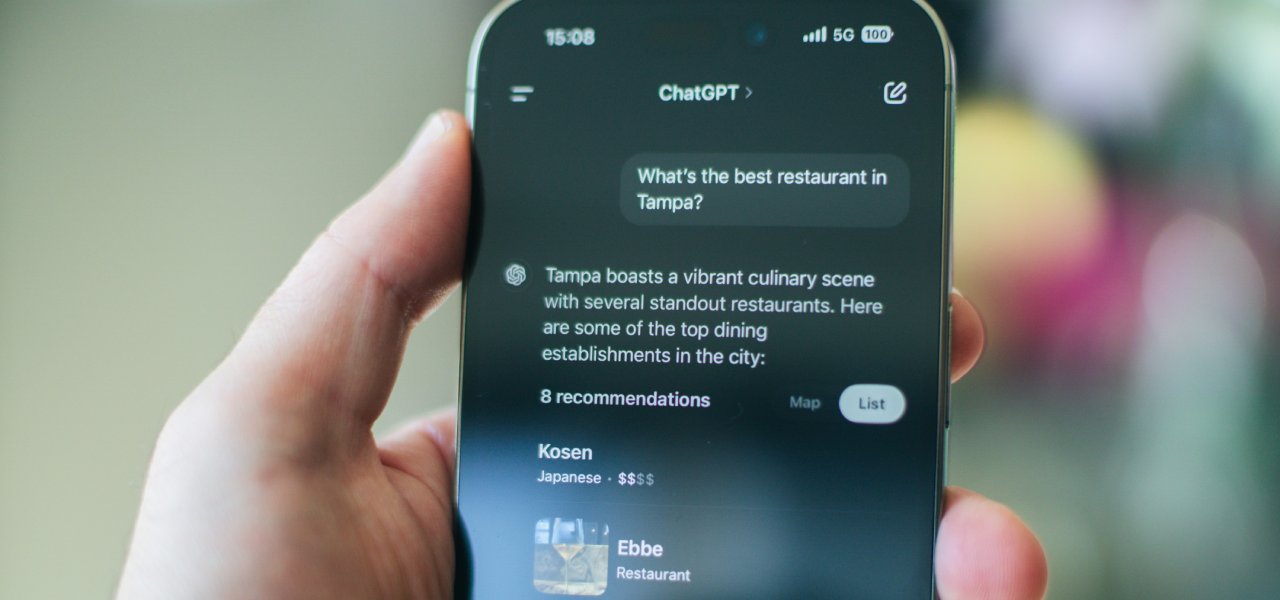
For years, businesses focused on traditional SEO strategies designed to improve rankings and drive clicks from search engines. But with the rise of AI-generated search results, voice assistants, and tools like ChatGPT and Google’s AI Overviews, the way people discover information online is starting to shift.
Instead of scrolling through pages of search results, users are increasingly getting direct answers to their questions.
That shift has introduced a new term into the conversation: Answer Engine Optimization (AEO).
At its core, AEO is about making your content easier for search engines and AI-powered tools to understand, extract, and present as a direct answer. While traditional SEO focuses on helping your pages rank, AEO focuses on helping your content become the answer itself.
For businesses, this creates both a challenge and an opportunity.
As search becomes more conversational and AI-driven, websites that are clear, well-structured, and authoritative are more likely to surface in these new search experiences. Businesses that rely on outdated SEO tactics or poorly organized content may struggle to stay visible.
That doesn’t mean SEO is disappearing. In many ways, strong SEO fundamentals matter more than ever. But businesses also need to start thinking beyond rankings and consider how their content is interpreted by answer engines.
In this article, we’ll break down what AEO is, how it differs from traditional SEO, why it’s becoming increasingly important, and what businesses can do to optimize their websites for the future of search.
What Is AEO (Answer Engine Optimization)?

Answer Engine Optimization, or AEO, is the process of optimizing your website content so search engines and AI-powered tools can surface it as a direct answer to a user’s question.
Instead of focusing only on rankings, AEO focuses on answer visibility.
This includes platforms and search experiences such as:
- Google AI Overviews
- Featured snippets
- Voice search results
- ChatGPT
- Perplexity
- AI-powered search assistants
Traditional SEO is designed to help users find your website. AEO is designed to help search engines and AI systems understand your content well enough to confidently use it in their responses.
That distinction is becoming increasingly important.
When someone searches for:
“What is answer engine optimization?”
they may never click through multiple websites. Instead, they might receive a summarized response directly within the search experience itself.
The businesses and websites that are most likely to appear in those answers are typically the ones that provide:
- clear explanations
- well-structured content
- strong topical authority
- trustworthy information
AEO is built around clarity
One of the biggest differences between traditional content writing and AEO-focused content is how information is presented.
Content optimized for answer engines tends to:
- answer questions directly
- use clear headings and structure
- prioritize readability
- organize information logically
- avoid unnecessary complexity
For example, instead of burying an explanation several paragraphs deep, AEO-focused content often provides a concise answer immediately after the heading and expands on it afterward.
That structure makes it easier for both users and AI systems to interpret the information.
AEO and SEO are closely connected
It’s important to understand that AEO is not replacing SEO.
In reality, many AEO best practices are built on strong SEO fundamentals:
- helpful content
- clear site structure
- technical optimization
- authority and trust
- user-focused writing
The difference is that AEO places a stronger emphasis on how information is extracted, summarized, and delivered through AI-driven search experiences.
As search behavior evolves, businesses need content that performs well not just in traditional rankings, but also within answer-driven search environments.
How Is AEO Different From Traditional SEO?
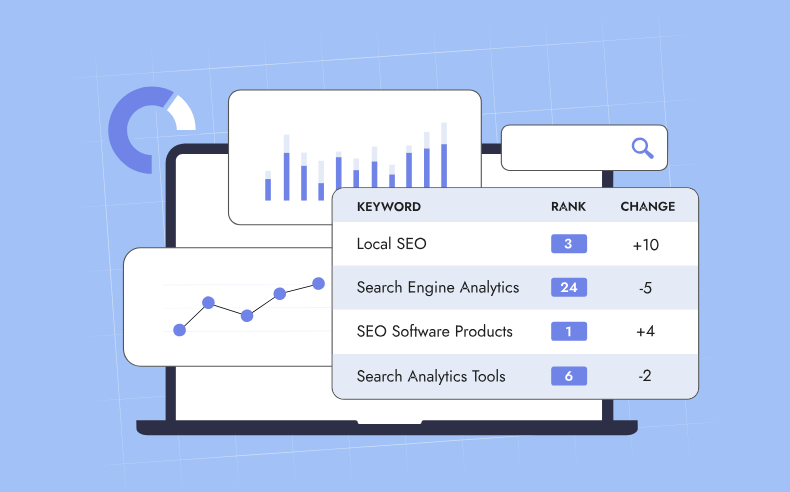
AEO and SEO are closely connected, but they prioritize different outcomes.
Traditional SEO focuses on improving rankings within search engine results pages. The goal is to help users discover and click through to your website.
AEO focuses on helping your content become the answer itself.
That distinction may seem subtle, but it changes how content is structured and optimized.
Traditional SEO is built around rankings and visibility
For years, SEO strategies have focused on:
- keyword optimization
- backlinks
- technical performance
- metadata
- search rankings
- click-through rates
Those elements still matter. In fact, strong SEO foundations are often what make effective AEO possible.
If your website is difficult to crawl, poorly structured, or lacking authority, answer engines are less likely to trust or surface your content.
This is why foundational SEO practices, including choosing the right keywords and structuring content strategically, still play an essential role in search visibility. Businesses that are still refining these basics should start with a strong local SEO keyword strategy before worrying about newer AI-driven search trends.
AEO focuses on clarity and extractability
Answer engines prioritize content that can be easily interpreted, summarized, and presented directly within search experiences.
That means AEO places a stronger emphasis on:
- conversational language
- question-based headings
- concise answers
- semantic structure
- readability
- topical authority
For example, a traditional SEO article might optimize heavily around a keyword phrase. An AEO-focused article is more likely to directly answer related questions in a clear and structured way.
This aligns closely with how users search today. Instead of typing fragmented phrases like:
“AEO SEO difference”
users increasingly search conversationally with questions like:
“What’s the difference between AEO and SEO?”
Search behavior is changing
This shift is being accelerated by AI-powered search experiences.
Google’s introduction of AI Overviews reflects a broader move toward generating direct answers within search results rather than simply displaying lists of links. Google has stated that these experiences are designed to help users ask more complex questions and receive more contextual answers.
At the same time, zero-click searches continue to grow. According to SparkToro, a large percentage of Google searches now end without a click to another website.
For businesses, that means visibility is no longer only about ranking first. It’s also about creating content that search engines and AI systems can confidently reference and summarize.
AEO does not replace SEO
One of the biggest misconceptions around AEO is that it replaces traditional SEO.
It doesn’t.
In reality, AEO builds on many of the same principles:
- helpful content
- strong site structure
- technical optimization
- credibility and trust
- positive user experience
The difference is that AEO adapts those principles for a search landscape increasingly shaped by AI-generated answers and conversational interfaces.
Businesses that already invest in clear, user-focused content and strong website foundations are often better positioned for both SEO and AEO moving forward.
Why Is AEO Becoming More Important?

The way people search online is changing.
For years, search engines primarily acted as directories that pointed users toward websites. Today, search platforms are increasingly focused on delivering direct answers within the search experience itself.
That shift is one of the main reasons AEO is becoming more important.
Instead of typing short, fragmented keywords, users are now searching in a more conversational way. They’re asking full questions like:
- “What’s the difference between AEO and SEO?”
- “How do I optimize my website for AI search?”
- “What are AI Overviews in Google?”
At the same time, AI-powered tools are changing how those questions are answered.
Search engines are moving toward answer-based experiences
Google’s rollout of AI Overviews is one of the clearest examples of this shift. These AI-generated summaries are designed to provide users with direct answers and contextual information directly within search results:
Instead of simply presenting a list of links, search engines are increasingly interpreting and summarizing information for users.
Tools like:
- ChatGPT
- Perplexity
- Gemini
- voice assistants
are pushing this trend even further by creating conversational search experiences that prioritize clarity and immediate answers.
Zero-click searches are increasing
This shift also contributes to the rise of zero-click searches, where users get the information they need without ever visiting another website.
For businesses, this changes what visibility means.
Ranking well is still valuable, but visibility increasingly depends on whether your content can be understood, trusted, and surfaced directly within AI-driven search experiences.
Search is becoming more conversational
Modern search behavior looks much more like natural conversation than traditional keyword matching.
This is especially true with:
- voice search
- AI assistants
- mobile search behavior
- long-form question queries
Google has highlighted this broader shift toward conversational search behavior for years.
As a result, websites that answer questions clearly and structure information logically are often better positioned for both users and search systems.
Clarity and structure matter more than ever
One of the biggest implications of AEO is that content needs to be easier to interpret.
Search engines and AI tools tend to favor content that is:
- well-organized
- clearly written
- semantically structured
- authoritative
- easy to scan
This is where strong website structure and user experience become increasingly important. Businesses with confusing navigation, poorly organized pages, or outdated site structures may struggle to perform well in modern search environments.
For example, having a properly organized content hierarchy and intuitive navigation can improve both usability and search visibility. If your site structure needs work, this guide on how to structure a website for a local service business covers some foundational best practices.
Businesses are competing to become trusted sources
In many ways, AEO shifts the focus from simply ranking pages to becoming a trusted source of information.
Businesses that consistently publish:
- helpful content
- clear explanations
- structured information
- authoritative insights
are more likely to be surfaced within AI-generated answers and conversational search results.
That’s why businesses investing in quality content and strong website foundations today are often in a much better position for the future of search.
How Do AI Search Engines and Answer Engines Work?
AI-powered search engines and answer engines are designed to do more than simply index web pages. Their goal is to understand information, interpret context, and deliver the most useful answer possible to a user’s question.
To do that, they evaluate content differently than traditional search engines alone.
While rankings still matter, AI systems also prioritize:
- clarity
- structure
- context
- authority
- trustworthiness
- semantic relevance
In simple terms, answer engines are trying to determine:
“Which source explains this topic most clearly and confidently?”
AI systems look for structured, easy-to-understand content
One of the biggest factors in AEO is how information is organized.
Content that is:
- logically structured
- clearly written
- easy to scan
- broken into sections
- supported by headings and subheadings
is generally easier for AI systems to interpret and summarize.
This is one reason why question-based headings and concise answers are becoming increasingly effective. They help search engines quickly identify what a section is about and extract relevant information more accurately.
For example, content that directly answers:
“What is AEO?”
near the top of a section is easier to surface than content that buries the answer several paragraphs deep.
Context matters just as much as keywords
Traditional SEO often focused heavily on exact-match keywords.
Modern AI-driven search systems rely much more on semantic understanding. Instead of looking only for specific phrases, they analyze relationships between concepts and determine whether content comprehensively addresses a topic.
That means businesses should focus less on keyword stuffing and more on creating genuinely helpful content that answers real questions clearly.
This is also why building topical authority matters. A website with multiple well-connected articles around related subjects tends to appear more trustworthy and knowledgeable than a site with isolated content pieces.
Internal linking helps establish topical authority
Strategic internal linking helps search engines understand relationships between topics across your website.
For service-based businesses, this often means creating content that supports different stages of the customer journey and connects naturally to the services you offer.
For example, a landscaping company might publish content related to:
- seasonal maintenance tips
- landscaping project planning
- hardscaping vs softscaping
- lawn care best practices
- common property drainage issues
When related topics are connected logically through internal linking, it reinforces topical authority and helps search engines better understand the depth of your expertise.
This is one reason content clusters have become increasingly valuable in modern SEO and AEO strategies. Instead of relying on isolated blog posts, businesses benefit from building connected libraries of useful content around their core services and areas of expertise.
Technical optimization still plays a major role
Even though AEO is heavily tied to content quality, technical SEO remains extremely important.
AI systems still rely on traditional search infrastructure to:
- crawl websites
- index pages
- understand structure
- evaluate performance
This means technical factors like:
- mobile optimization
- page speed
- semantic HTML
- schema markup
- crawlability
still directly impact visibility.
Google also recommends using structured data to help search engines better understand website content.
Websites that are outdated, difficult to navigate, or technically inconsistent may struggle to perform well in AI-driven search environments. In some cases, this can be a sign that a site needs a more strategic redesign.
Trust and credibility are increasingly important
AI systems also attempt to identify trustworthy sources.
This aligns closely with Google’s E-E-A-T principles:
- Experience
- Expertise
- Authoritativeness
- Trustworthiness
Businesses that consistently publish clear, accurate, and well-structured content are generally in a stronger position than websites relying on thin or outdated content strategies.
In many ways, AEO rewards the same businesses that already prioritize:
- user experience
- content quality
- technical performance
- strategic website structure
The difference is that these signals are now becoming even more important as AI-generated search experiences continue to evolve.
How to Optimize Your Website for AEO

AEO is not about gaming AI systems or abandoning traditional SEO practices. In many ways, it’s about improving clarity, structure, and usability so both people and search engines can understand your content more effectively.
The businesses most likely to succeed with AEO are typically the ones already focused on creating helpful, well-organized websites.
Here are some of the most important ways to optimize your site for answer-driven search experiences.
Use question-based headings
Modern search behavior is increasingly conversational.
Instead of typing fragmented keywords, users are asking complete questions through Google, AI assistants, and voice search tools. Structuring your content around those questions makes it easier for answer engines to identify relevant information.
For example, headings like:
- “What is AEO?”
- “How does AEO differ from SEO?”
- “Why is AEO important?”
are easier for AI systems to interpret than vague or overly clever titles.
Question-based formatting also improves readability for users, especially on long-form pages.
Answer questions clearly and early
One of the most effective AEO strategies is simple: answer the question directly near the beginning of each section.
AI systems often prioritize concise, well-structured answers that can be extracted and summarized easily.
A strong structure usually looks like this:
- Direct answer
- Supporting explanation
- Additional detail or examples
This improves clarity for both users and search engines.
Structure content for readability
Well-structured content performs better in both traditional SEO and AI-driven search environments.
That means using:
- clear heading hierarchy
- short paragraphs
- bullet points
- logical section flow
- descriptive subheadings
Content that feels difficult to scan or navigate is harder for both users and AI systems to process effectively.
Website structure matters here as well. A poorly organized site can make it harder for search engines to understand relationships between pages and topics.
Build topical authority through connected content
AEO rewards depth and expertise.
Instead of publishing isolated articles on unrelated subjects, businesses should focus on building connected content around the services and topics their customers actually search for.
For example, a local service business might consistently publish content related to:
- common customer questions
- service-specific advice
- pricing considerations
- project timelines
- maintenance or support topics
- industry best practices
Over time, this helps establish topical authority within that niche and signals to search engines that the business is a credible source of information.
Strengthen your technical SEO foundations
AI-driven search still depends heavily on traditional technical SEO.
Search engines need to:
- crawl your site
- index your pages
- interpret your structure
- evaluate performance
That means factors like:
- page speed
- mobile responsiveness
- semantic HTML
- schema markup
- clean navigation
still matter significantly.
Prioritize user experience
AEO is ultimately connected to usability.
Search engines and AI systems increasingly prioritize content that creates a good experience for users. If visitors struggle to navigate your site, find information, or understand your content, those issues can affect both engagement and search visibility.
Strong UX supports:
- readability
- clarity
- engagement
- conversion performance
Simple improvements in structure and usability can have a major impact.
Focus on helpful, trustworthy content
At the center of AEO is content quality.
AI systems are increasingly designed to identify content that demonstrates:
- expertise
- accuracy
- clarity
- usefulness
- trustworthiness
Businesses that consistently publish genuinely helpful content are far more likely to build long-term visibility than those relying on thin or overly optimized content strategies.
“AEO isn’t about chasing trends. It’s about making your site easier to understand, easier to trust, and easier to find within increasingly AI-driven search experiences.”
Businesses that focus on clarity, structure, and user experience are already moving in the right direction.
Is SEO Still Important in an AI-Driven Search Landscape?

Yes. SEO is still extremely important.
One of the biggest misconceptions surrounding AEO is that traditional SEO no longer matters. In reality, AEO builds on many of the same foundations that strong SEO has always relied on.
Search engines and AI systems still need to:
- crawl your website
- understand your content
- evaluate relevance
- assess authority
- determine trustworthiness
Without strong SEO fundamentals, it becomes much harder for your content to perform well in either traditional search results or AI-generated search experiences.
AEO is an evolution of SEO, not a replacement
The rise of AI-powered search doesn’t eliminate the need for SEO. It changes how optimization needs to be approached.
Traditional SEO focused heavily on:
- rankings
- keywords
- backlinks
- metadata
- search visibility
Those factors still matter, but modern search systems are increasingly placing more emphasis on:
- context
- clarity
- structure
- user intent
- content quality
In many ways, AEO simply expands on what good SEO was already moving toward: creating genuinely useful content that is easy to understand.
Strong website foundations still matter
AI search experiences still depend on traditional search infrastructure.
That means businesses still need websites that are:
- fast
- mobile-friendly
- well-structured
- technically optimized
- easy to navigate
A cluttered or outdated website can create problems for both users and search engines. In many cases, businesses struggling with visibility may actually be dealing with broader website performance or structure issues rather than just content problems.
This is one reason modern website strategy matters so much. Businesses with outdated sites may struggle to meet the expectations of both users and AI-driven search systems. Here’s five signs it’s time to redesign your website in 2026.
User-focused content is becoming more valuable
As search engines become better at interpreting content quality and intent, shallow optimization tactics are becoming less effective.
Businesses that focus on:
- answering real customer questions
- creating useful resources
- improving usability
- organizing information clearly
are generally in a stronger position long term.
This shift actually benefits many service-based businesses because it rewards expertise and clarity over aggressive optimization tactics.
For example, businesses that consistently improve user experience and make information easier to access often create stronger engagement signals overall. Even small UX improvements can make a meaningful difference.
SEO and AEO work best together
The strongest digital strategies moving forward will combine:
- strong technical SEO
- high-quality content
- clear site structure
- user-focused design
- conversational content optimization
Businesses that treat AEO and SEO as complementary strategies are likely to be in the best position as search continues to evolve.
Instead of chasing trends, the focus should remain on creating websites and content that are:
- useful
- trustworthy
- easy to understand
- easy to navigate
Those principles have always mattered in SEO, and they matter even more in AI-driven search environments.
Conclusion
Search is evolving quickly, and businesses need to adapt to the way users now discover information online.
As AI-powered search experiences become more common, visibility is no longer just about ranking highly in search results. It’s also about creating content that search engines and answer engines can clearly understand, trust, and surface directly within conversations and AI-generated responses.
That’s where AEO comes in.
At its core, Answer Engine Optimization is about clarity, structure, and usefulness. Businesses that create well-organized, user-focused content are more likely to perform well across both traditional search and emerging AI-driven search experiences.
At the same time, traditional SEO fundamentals still matter. Technical performance, site structure, user experience, and content quality continue to play a major role in long-term visibility.
The businesses most likely to succeed moving forward are the ones building websites that work well for both people and search systems.
At Alliance Web Design, we help service-based businesses create websites that support long-term growth through strong UX, modern SEO strategy, and clear website structure built for the future of search.