
Many service-based businesses start with a simple website structure: a homepage, an About page, a Contact page, and a single “Services” page that lists everything they offer.
That approach works well in the beginning, but as your business grows, so does the number of services you provide. Before long, you may find yourself wondering whether each service deserves its own page or if one general services page is enough.
The answer matters for more than just organization.
The way your services are presented can influence how easily potential customers find your website, how quickly they understand what you offer, and how confidently they take the next step. It also helps search engines and AI-powered search tools better understand your business and the services you provide.
The good news is that you don’t need a separate page for every task or variation of your services. Instead, the goal is to create a website structure that reflects how your customers search for your business and the information they expect to find.
In this article, we’ll explore when dedicated service pages make sense, when a single services page may be enough, and how to structure your website in a way that benefits both your visitors and your search visibility.
Why Service Pages Matter
Every page on your website should have a clear purpose.
A homepage introduces your business. An About page tells your story. A Contact page helps customers get in touch. Likewise, a service page should focus on explaining one specific service and helping potential customers understand whether it’s the right solution for their needs.
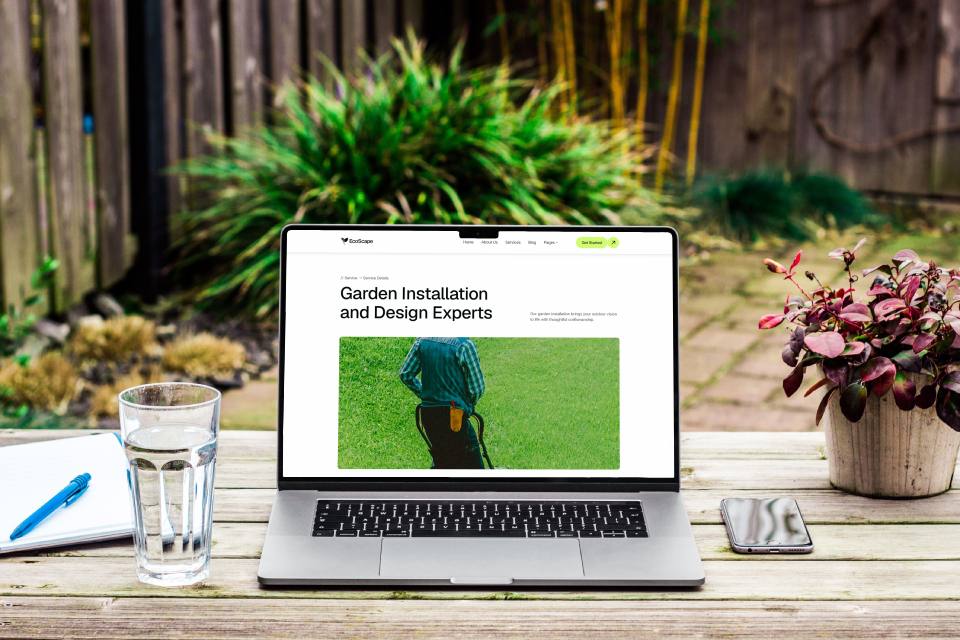
For example, a landscaping company might offer:
- Landscape Design
- Garden Installation
- Care & Maintenance
While all three services could be listed on a single page, creating dedicated pages allows you to provide more detailed information about each one. Visitors can quickly find the service they’re interested in, and search engines have a clearer understanding of what each page is about.
Google’s SEO Starter Guide recommends organizing your website in a way that helps both users and search engines easily understand your content. Clear navigation and focused pages make it easier for visitors to find relevant information and for search engines to interpret your site’s structure.
Dedicated service pages also create opportunities to answer common customer questions, showcase relevant projects or testimonials, and include stronger calls to action that are specific to each service.
The goal isn’t simply to create more pages. It’s to create pages that are genuinely useful to the people searching for the services you provide.
Should Every Service Have Its Own Page?

In most cases, yes—but not always.
A good rule of thumb is this:
If your customers search for it as a separate service, it probably deserves its own page.
Think about the way someone searches online. They’re more likely to search for “divorce lawyer” than “legal services.” Likewise, someone looking for an electrician may search for “EV charger installation” or “panel upgrades” rather than simply “electrical services.”
Creating dedicated pages for these core services allows you to provide more relevant information while giving search engines a clearer understanding of what each page is about.
That doesn’t mean every task or variation needs its own page.
For example, a law firm probably doesn’t need separate pages for:
- Car accidents
- Motorcycle accidents
- Truck accidents
These services are closely related and can often be grouped under a broader personal injury services page.
Instead, focus on creating dedicated pages for services that:
- Customers actively search for on their own.
- Have distinct benefits or use cases.
- Require more detailed explanations.
- Represent important parts of your business.
If a service is significant enough to market independently, it’s usually significant enough to deserve its own page.
A well-organized website isn’t about having the most pages—it’s about having the right pages. Each service page should help visitors quickly understand what you offer and make it easy for them to take the next step.
The Benefits of Dedicated Service Pages

Creating dedicated service pages isn’t just about adding more content to your website. It’s about making your website more useful for both potential customers and search engines.
When each core service has its own page, you create more opportunities to explain your expertise, answer customer questions, and connect visitors with the information they’re looking for.
Better visibility in search results
A dedicated service page allows you to focus on a specific topic rather than trying to rank one page for everything.
For example, a page about puppy training has a much better chance of matching someone searching for that service than a generic page listing every type of dog training you offer.
This also gives you the opportunity to target more relevant search terms. If you’re not sure how to identify the keywords your customers are actually using, our guide on Choosing the Best Local SEO Keywords is a great place to start.
A better experience for your visitors
Customers don’t want to dig through a long list of services to find the information they’re looking for.
Dedicated service pages allow you to provide detailed information about each service, including who it’s for, how it works, frequently asked questions, and the benefits of choosing your business.
Organizing information this way also improves the overall user experience by helping visitors find what they need more quickly.
More targeted messaging
Someone interested in a bathroom renovation is looking for different information than someone planning a basement renovation.
Dedicated service pages let you tailor your messaging, showcase relevant projects or testimonials, and explain why someone should choose your business for that specific service.
They also reinforce your expertise and help visitors understand exactly what your business offers. Clear, focused service pages are an important part of building a consistent online presence.
Better organization for search engines and AI
Well-structured service pages make it easier for search engines understand what your business offers and how each service relates to the others.
As AI-powered search continues to evolve, clear, focused content also helps answer engines interpret and surface your information more effectively. We explore this in more detail in our article on AEO vs. SEO: What You Need to Know About Answer Engine Optimization.
Ultimately, dedicated service pages benefit everyone. Visitors can quickly find the information they need, and search engines gain a clearer understanding of your business and the services you provide.
When One Services Page Is Enough
While dedicated service pages offer many benefits, creating a separate page for every service isn’t always the right approach.
The goal isn’t to have the most pages. It’s to have the right pages.
If several services are closely related or customers wouldn’t typically search for them individually, grouping them together often creates a better experience.
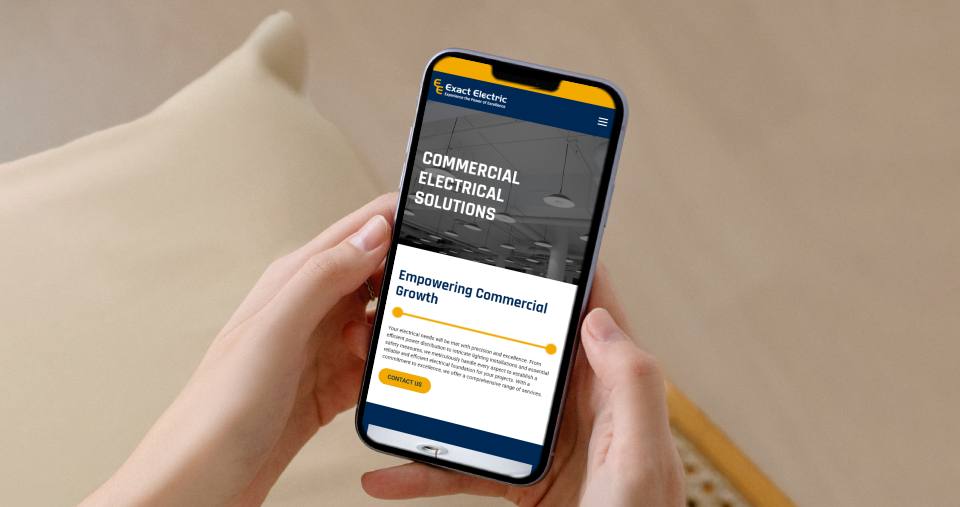
For example, an electrician might have a dedicated page for Commercial Electrical Services that covers:
- Shell and core installations
- Tenant improvements
- Mixed-use and multi-family projects
Because these services are closely related, visitors are more likely to expect them together than on separate pages.
The same idea applies to other industries. A landscaping company probably doesn’t need separate pages for grass cutting, edging, and trimming if those services are all part of routine lawn maintenance.
Instead, think about how your customers view your services.
If they would reasonably expect to find several related services together, grouping them on one page can make your website easier to navigate and maintain.
The key is to avoid creating pages simply to target additional keywords. Google advises against creating low-value or repetitive pages that don’t provide unique value to users.
A smaller number of comprehensive, helpful service pages will almost always outperform dozens of thin pages that say essentially the same thing.
What Makes a Great Service Page?
Creating dedicated service pages is only worthwhile if those pages provide genuine value to your visitors.
A well-designed service page should answer the questions a potential customer is likely to have while giving them confidence to take the next step.
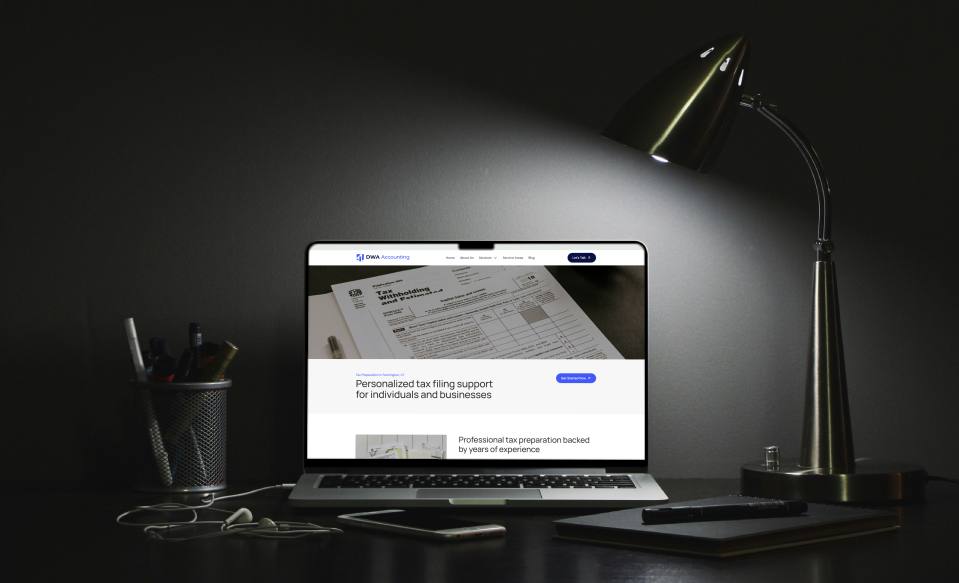
At a minimum, each service page should include:
- A clear explanation of the service and who it’s for.
- The key benefits or problems it solves.
- An overview of your process or what customers can expect.
- Relevant photos, examples, or testimonials where appropriate.
- Frequently asked questions.
- A clear call to action that encourages visitors to contact you or request a quote.
Google’s guidance on creating helpful, people-first content aligns with this approach. Rather than creating pages primarily to rank in search results, the focus should be on providing useful, original information that answers the questions people are actually asking.
It’s also important to make each service page unique. Avoid copying and pasting the same content across multiple pages and simply changing the service name. Instead, explain what makes each service different, who it’s best suited for, and why someone should choose your business.
The more helpful and specific your content is, the more valuable it becomes for both potential customers and search engines.
How to Organize Your Service Pages
Once you’ve decided which services deserve their own pages, the next step is organizing them in a way that’s easy for both visitors and search engines to navigate.
In most cases, your service pages should live under a central Services section, creating a logical hierarchy that’s simple to browse.
For example:
Home
│
├── About
├── Services
│   ├── Service A
│   ├── Service B
│   ├── Service C
│   └── Service D
├── Blog
└── Contact
This structure makes it easier for visitors to find the information they’re looking for while helping search engines understand how your pages relate to one another.
It’s also important to think about how your pages connect. Internal links between related services, supporting blog articles, and other relevant pages help guide users through your website while reinforcing the relationships between topics.
For example, a service page can link to articles that answer common customer questions, explain your process, or provide additional resources. This creates a better user experience while helping build topical authority across your website.
If you’re planning a new website or restructuring an existing one, our guide on How To Structure a Website For a Local Service Business takes a deeper look at organizing pages for both usability and SEO.
Remember, the goal isn’t simply to add more pages. It’s to build a website that’s intuitive, informative, and aligned with the way your customers search for your services.
Conclusion
Whether every service deserves its own page depends on your business, your customers, and how people search for the services you offer.
If a service is important enough to market independently, has its own audience, or answers a distinct customer need, it’s usually worth giving it a dedicated page. On the other hand, closely related services can often be grouped together to create a simpler, more intuitive experience.
Rather than focusing on the number of pages your website has, focus on creating pages that are genuinely helpful. Well-structured service pages make it easier for visitors to understand what you offer, improve your visibility in search results, and support a stronger overall user experience.
If you’re unsure whether your website is structured effectively, taking the time to review your service pages can reveal opportunities to improve both usability and search performance.
We help service-based businesses build websites that are organized around how customers search, making it easier for people to find the information they need and take the next step.